
Was the Moon ever really dead?
If you had been alive a few hundred years ago, you might have believed the Moon was covered in forests and oceans, perhaps even a few towns. The people who did were no fools—they were working with the best information they had, peering through fragile bits of glass at something a quarter of a million miles away. And for all the centuries since, one thing hasn’t changed: the suspicion that somebody else has been on the Moon all along. But our notion of who they are, and what they might have been doing, has shifted over time.

A Shift in Focus
Academic societies once imagined Selenites and Lunarians living on the Moon much as we did on Earth. Through the largest telescopes of the age, faint markings were seen as signs of intelligent design—lines that could be roads, shapes that might be towns and cities. The Moon, like Mars, was pictured as a neighbor with its own civilizations, quietly going about their lives. But as telescopes sharpened and science advanced, the inhabitants of those stories faded from view, until nothing remained but lifeless mountains under a silent, airless sky.
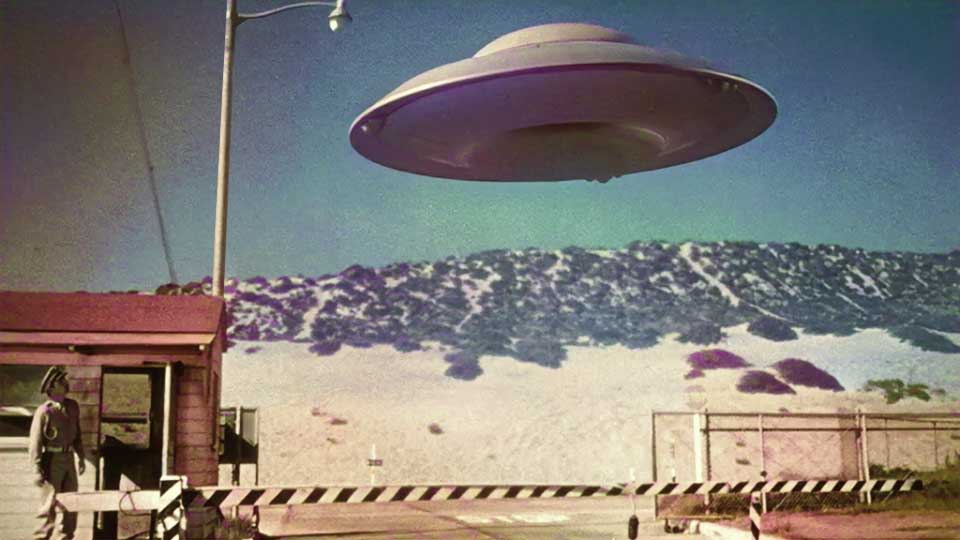
From Lunarians to Alien Invaders
Over time, the idea of the Moon as an inhabited world faded, yet after the Second World War the skies filled again with flying saucer reports and claims of alien contact. Radar tracked craft performing impossible maneuvers. Witnesses described glowing spheres interfering with nuclear sites and shutting down launch systems. In 1952, UFOs were seen and photographed over the White House on two consecutive weekends, making headlines worldwide. By the early 1960s the story had shifted. The account of Barney and Betty Hill, the first widely publicized abduction case, recast the narrative. Aliens once imagined as living out their own lives or as conquerors were now portrayed as cold, indifferent, and evil.
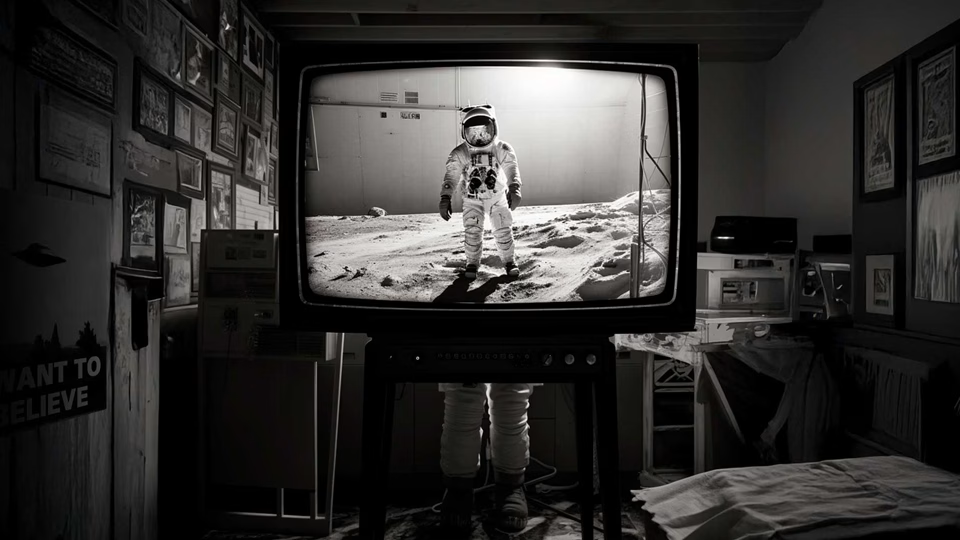
From Alien Invaders to Conspiracy Theories
In the years after Apollo, there were scattered claims of strange structures in NASA’s photographs of the Moon. A few authors gained brief attention, but the idea never really took hold in the public imagination. By the mid-1990s, with the rise of late-night talk radio, the Moon was recast as a stage for alien presence, past or present. Stories of ruins, machines, and hidden bases found a receptive audience, blending with the broader wave of Face on Mars fascination. The dots were starting to connect. Odd behavior and evasions from officials, combined with ancient alien theories and a handful of strange objects in photographs, suggested the Moon might harbor evidence that we were not alone.
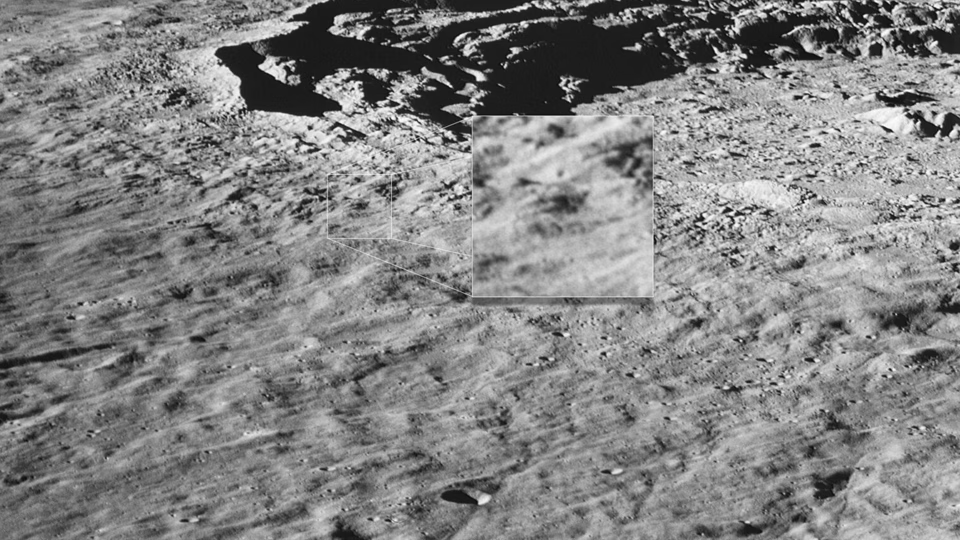
From Conspiracy Theories to ULOs
In the mid-2000s, while assembling a coffee table book of Moon photographs, I stumbled upon what many still call the Wagon Wheels. Its geometric form stood in stark contrast to the lunar terrain—once you see it, you cannot unsee it. I became obsessed and willfully dove into the lunatic fringe, searching for more evidence. On March 3, 2008, I released ULOs: Unidentified Lunar Objects Revealed in NASA Photography, documenting my journey into anomaly detection that showcased a small collection of suspiciously geometric objects and patterns that defied geological explanation. The audience was niche, but the book was well received. I was a guest on radio shows, presented to MUFON audiences, was mentioned during UFO expos and in books, and my findings spread through YouTube videos. And years later, my work was featured in a SyFy Channel documentary and even appeared on the History Channel’s Ancient Aliens.

The Exoarchaeologist’s Field Guide
to Lunar Mission Photography
Since then, and known only to a select few, I have continued developing my skills and experimenting with hundreds of new techniques, drawing from WWII air photo interpretation, aerial archaeology, and geospatial image analysis.
But it wasn’t until I shared my “lost & found” folder with a friend and asked him to try my LeHFT technique (which blew him away) that it dawned on me that I should formalize my methods into a structured, science-based approach to identifying and describing these strange, anomalous objects and apparently modified terrain — no conspiracy narrative required.