
Exoarchaeologist Resources
The main public archives and tools used for analyzing lunar mission photographs are listed below. These include the new high-resolution Apollo scans from Arizona State University, Lunar Orbiter frames, LRO data products, and several other reliable sources. All material is openly available for download and personal research.
Lunar Mission Photography and Data Visualization
Primary sources for lunar mission imagery appear below: the ASU Apollo film scans, Lunar and Planetary Institute photographic catalogs, and the ACT QuickMap interface for LRO data. Each listing includes brief notes and direct links to the original files.
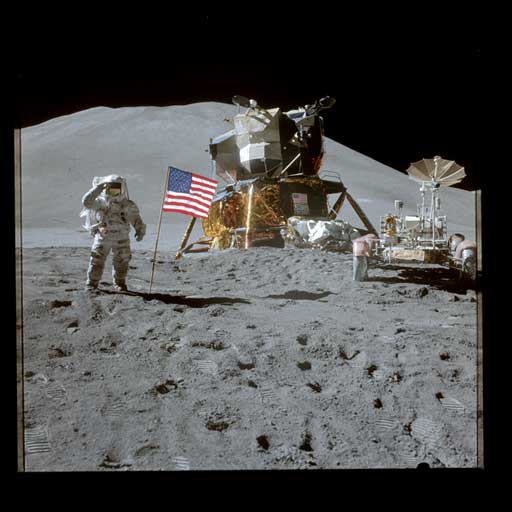
Arizona State University’s March to the Moon
Institution
Arizona State University (ASU)
Data Sets
Apollo Image Galleries and more.
Details
High-quality 16-bit scans of the original Apollo mission photography from the cold storage vault. PLEASE NOTE: Only the RAW images are available for non-institutional research and publication.
Notes
This is where you can find the RAW scans you can use for your own research and publication.
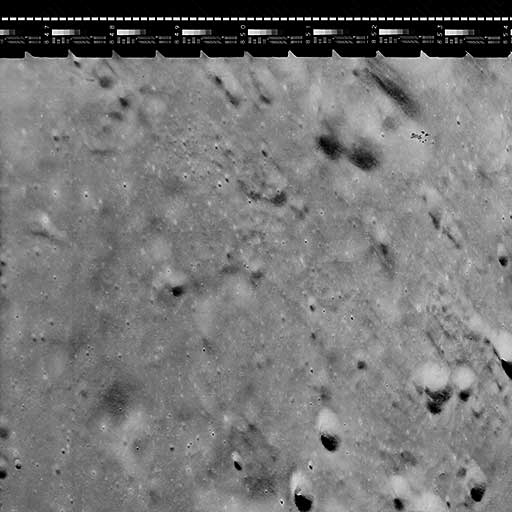
LOIRP Lunar Orbiter Image Recovery Project
Institution
United States Geological Survey (USGS)
Data Sets
Lunar Orbiter I, Lunar Orbiter II, Lunar Orbiter III, Lunar Orbiter VI, Lunar Orbiter V
Details
A collection of high resolution images from Lunar Orbiters I – V retrieved by the Lunar Orbiter Image Recovery Project (LOIRP)
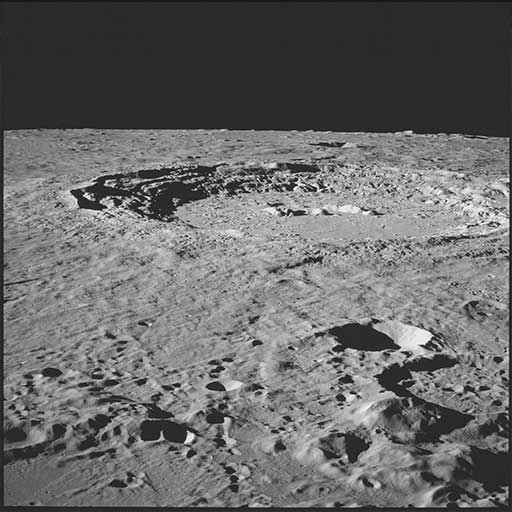
Apollo Image Atlas
Institution
Lunar and Planetary Institute
Data Sets
70mm Hasselblad, Mapping (Metric), Panoramic, Apollo Lunar Surface Closeup Camera (ALSCC), 35mm Nikon
Details
Discover the Apollo Image Atlas, an extensive resource offering detailed views of the Moon captured during the Apollo missions. Access curated collections of mission images, panoramas, and surface documentation for your research or exploration.
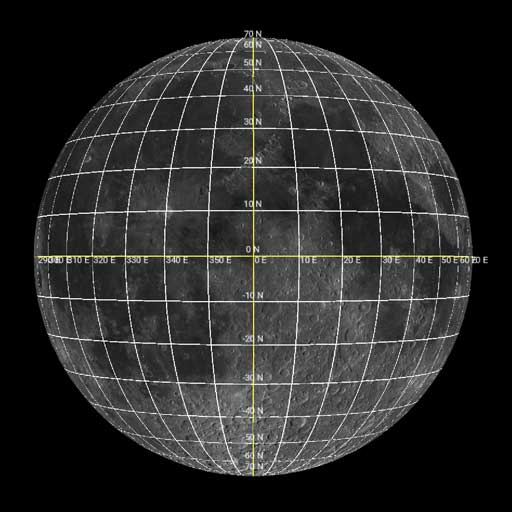
ACT LRO/LROC Lunar QuickMap
Institution
Applied Coherent Technology (ACT)
Data Sets
2D & 3D Lunar Data Visualization and Science Mission Data
Details
Explore over 1.2 Petabytes of LRO/LROC data, including global mosaics, NAC observations, and terrain products like LOLA and SLDEM2015. Features data from Chandrayaan-1, and Kaguya for a comprehensive view of the Moon’s surface.
The Exoarchaeologist
Join The Exoarchaeologist communities to learn new skills and openly discuss candidate anomalies.

The Exoarchaeologist
X Community
New! The disciplined exoarchaeologist relies on reproducible workflows, differential diagnosis, and falsifiability to distinguish genuine candidate anomalies from natural geological processes.
Join The Exoarchaeologist Community to learn new skills and openly discuss candidate anomalies.
Early adopters welcome!
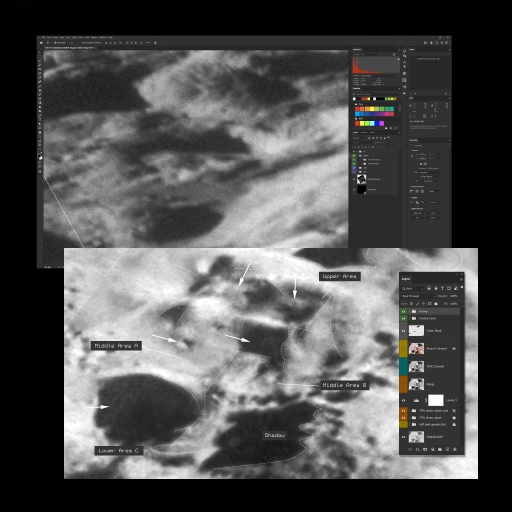
The Exoarchaeologist
YouTube Channel
New! The brand new channel will expand on the concepts, workflows, and techniques described in the the field guide.
Early adopters welcome!
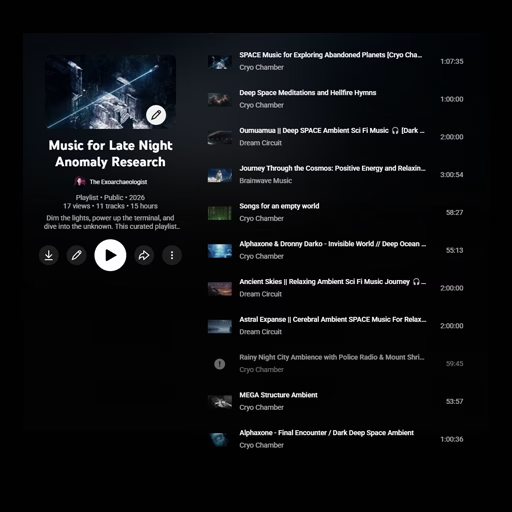
The Exoarchaeologist
Music for Late Night Anomaly Research
New! 15 hours of spacey dark ambient – a perfect audio landscape for those late nights with the lights down low.